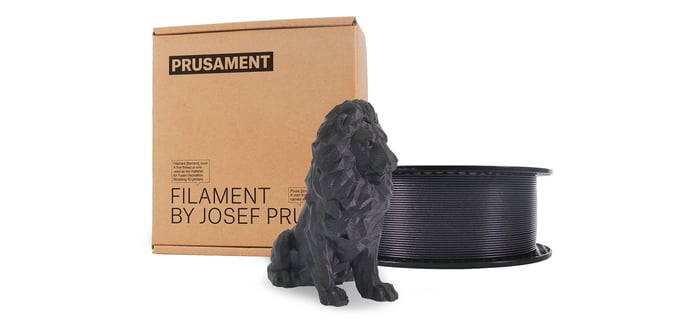
Launching Prusament – the best filament that you can inspect yourself
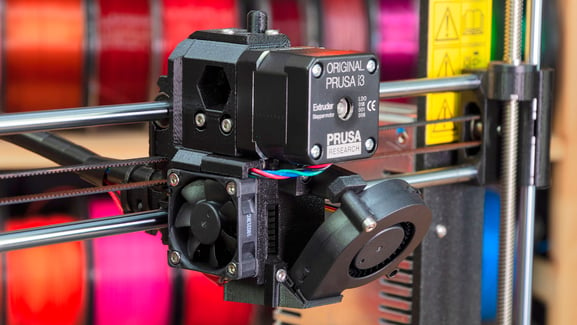
When we manufacture our printers at Prusa Research, we have everything under our control. We design the hardware, electronics, software, print settings…

When we manufacture our printers at Prusa Research, we have everything under our control. We design the hardware, electronics, software, print settings…

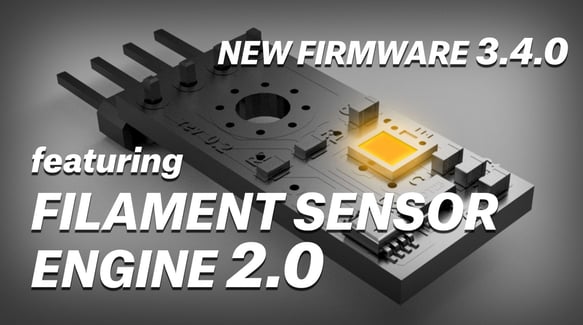
New firmware 3.4.0 for Original Prusa i3 MK3 and MK2.5 is out! We usually inform about firmware updates in short chapters within larger articles, but this…

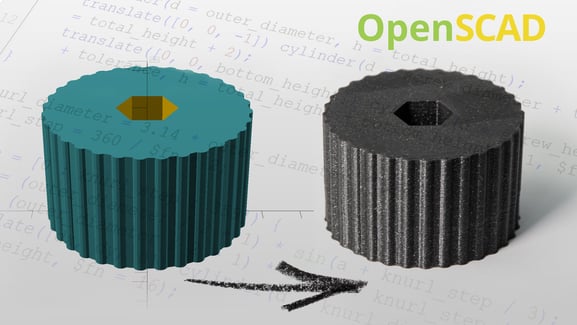
In my previous article, I’ve shown you how to create a spare part for an office chair using OpenSCAD. And I have also encouraged the readers to try and…

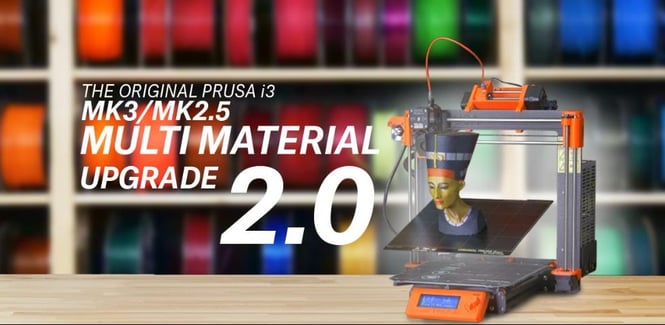
A little over a month ago, I mentioned that our Multi Material Upgrade 2.0 is close to being shipped. And I’m happy to announce, that the time is now! We…

As promised, we have prepared another article about more-or-less common 3D printing errors. In the first part, we were dealing mainly with the first layer…

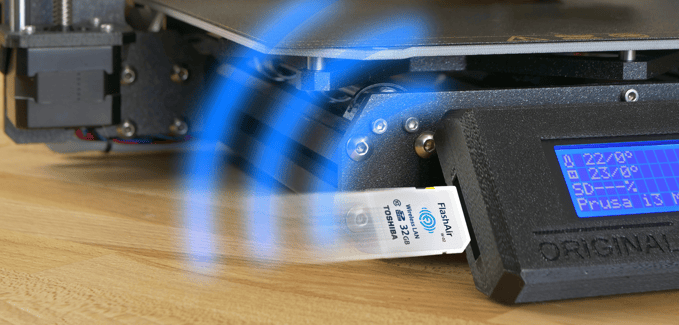
If you don’t like juggling SD cards and consider Raspberry Pi with Octoprint too difficult to set up, then we might have the right solution for you…

It’s been a pretty long time since my last update on the Prusa Research status and I have loads of great news, so let’s get to it!

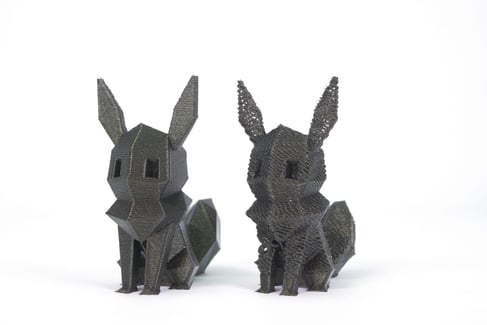
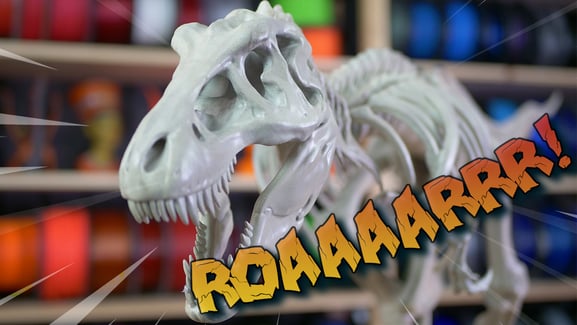
When we travel the world to show off our 3D printers, people often ask us not only about our machines but also about the 3D printed models we usually…

How do you 3D print something? Well, that’s easy: get an STL model, load it into a slicer app, generate a G-code, upload it to a 3D printer and that’s it…

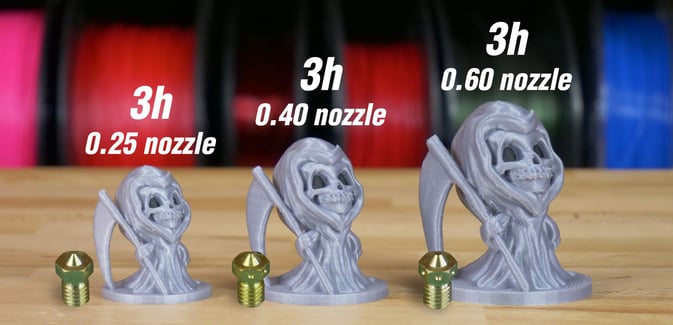
The default nozzle diameter for most of today’s printers is 0.4 mm, and the nozzles used in Original Prusa i3 MK3S+ and the MINI printers are no…

The main focus of our previous articles was often the pre-production or production phase of 3D printing process: how to cut an object, how to print…

The core of FDM technology is extruding melted plastic, where each layer is laid on top of the previous, already cooled down and solidified layer. There…